

Before 2006, buying a home in Egypt was a simple process. You went to a site office, looked at a brochure, signed a contract, and walked out with a piece of paper. Developers like Orascom with El Gouna, TMG with Al Rehab and Al Rabwa, and Bahgat Group with Dreamland were building at scale. But the way they sold was straightforward and transactional.
When Maher Maksoud took over at SODIC in 2006, everything shifted.
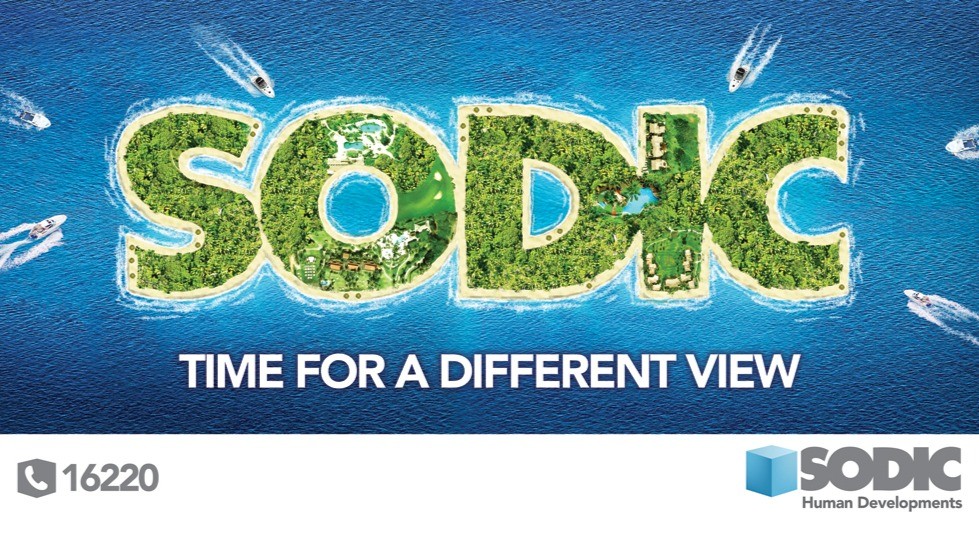
For two years Cairo’s streets were covered with the now iconic “Time for a Different View” campaign. No one really knew what SODIC was selling. What people saw was a brand that felt cool, modern, and emotional. The mystery worked. It created curiosity and a bond with the market. That campaign made people want to be part of the story. It even made me want to work there.
Inside SODIC, the culture matched the brand. The company quickly became known as the best place to work in the industry. One glossy magazine (it think it was Enigma Magazine even ran a cover story calling it Egypt’s sexiest sales team (link here). What made it special wasn’t just salaries or perks. It was the energy of the people, the way they worked together, and how forward-thinking the environment felt. Many of those same people believed in the projects so much that they bought homes themselves and still live there today.
Projects like Allegria, Forty West, and The Polygon pushed the bar higher. For the launch of Westown and Eastown, SODIC brought in Matthew Williamson for a fashion show. For Forty West, Gordon Ramsay came and cooked for homeowners. The Westown and Eastown ad was directed by the man behind Harry Potter. These moments showed buyers they weren’t just investing in meters of concrete, they were joining a lifestyle.
Even the sales centers reflected that vision. Designed by Mona Hussein and Eklego, both up-and-coming at the time, they turned what used to be basic offices into design statements. The experience of buying a home became as curated as the product itself.
Sales numbers tell the story. In 2010 alone, SODIC recorded over LE 1.2 billion in contracted sales, and later in the year hit LE 1.8 billion that (that is almost 10 billion in today’s numbers) and for a relatively new developer, this was unheard of. At times, demand was so high that sales had to be turned away. It wasn’t about scarcity. It was about protecting the idea of a likeminded community. This was all happening while Sheikh Zayed was still little more than desert. But Maher’s line was always the same: “Build it, and they will come.”
To be fair, Orascom deserves credit for what they did before 2006, especially on the international front. El Gouna set a benchmark for creating a destination town. But it was SODIC that brought that kind of ambition to Cairo’s edge and tied it to branding, design, and community.
Most CEOs today don’t even live in their own projects. Back then, SODIC’s leadership and team not only sold the product but believed in it enough to make it their home. That’s what made it real.
SODIC was more than a developer. It became a real estate school. If you look at the market today, you’ll find many of the senior figures running other companies either started at SODIC or were influenced by its vision. The industry as we know it was shaped there.
I guess what I am trying to say is, I am proud to say that I am a SODIC Real Estate “Graduate” and owe a lot to the brand and the people that taught me there. And I hope that one day people can say the same about ctrl+